VII. FROM POLIUTO TO THE RING, 1960-1972
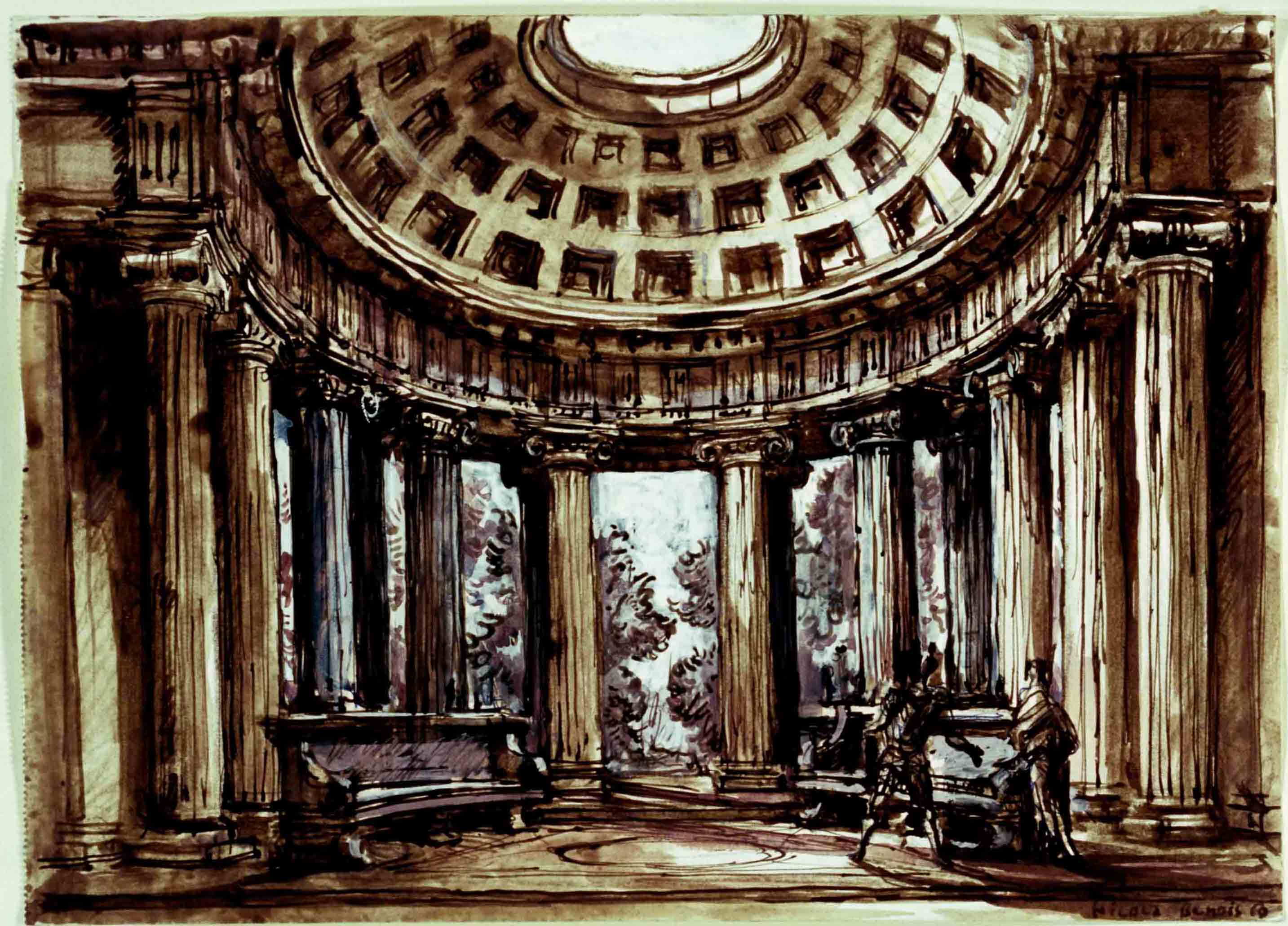
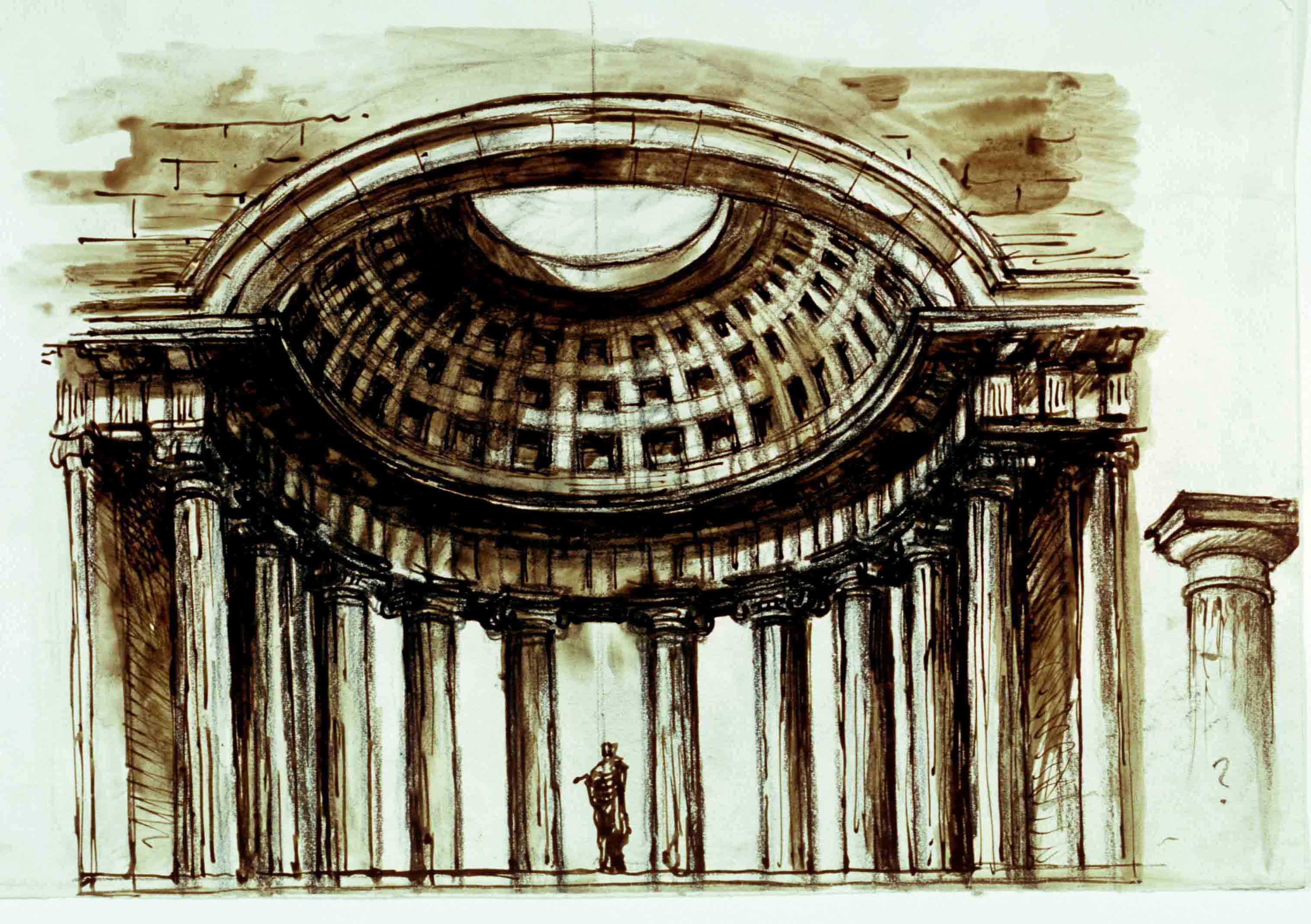
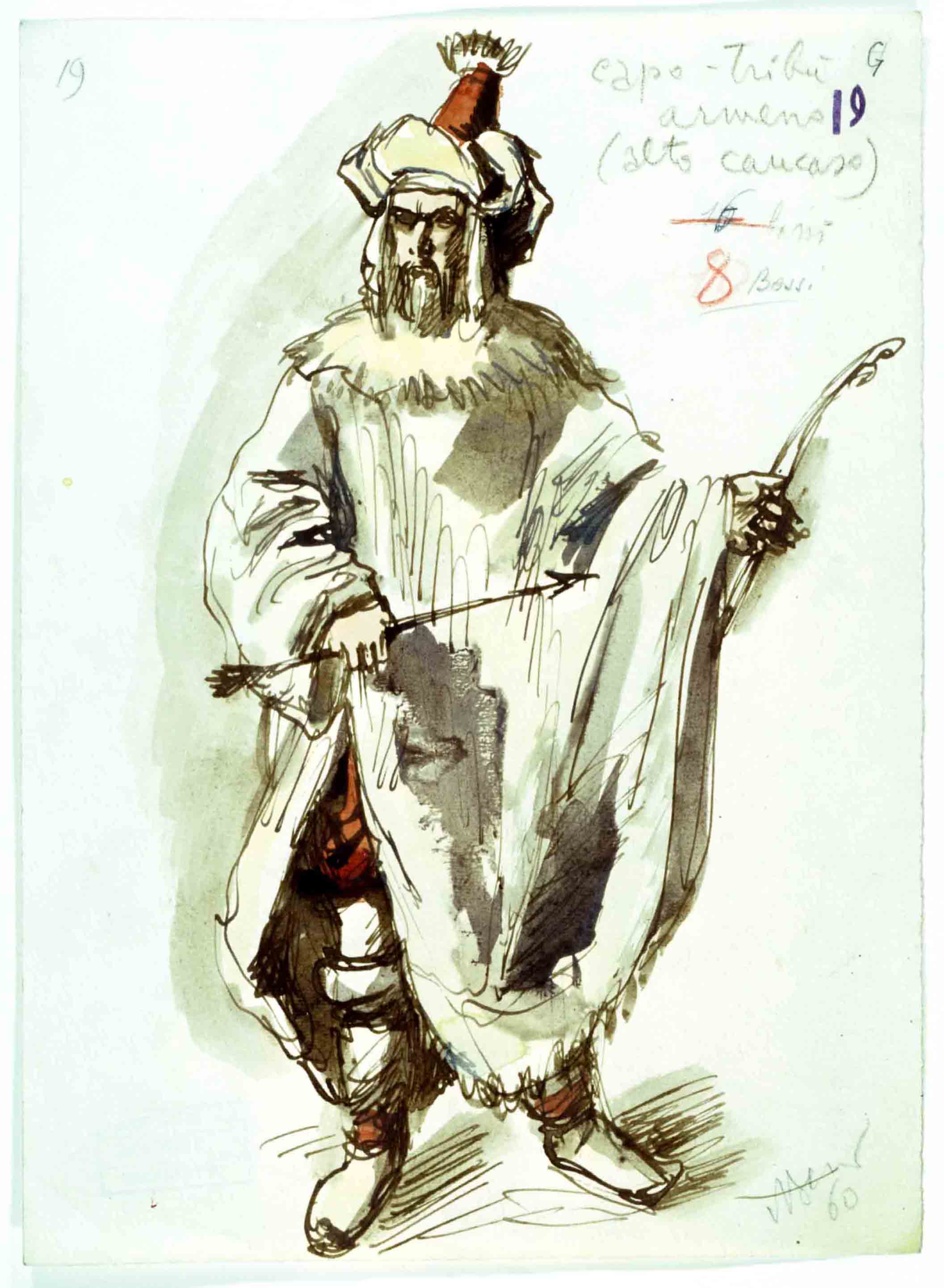
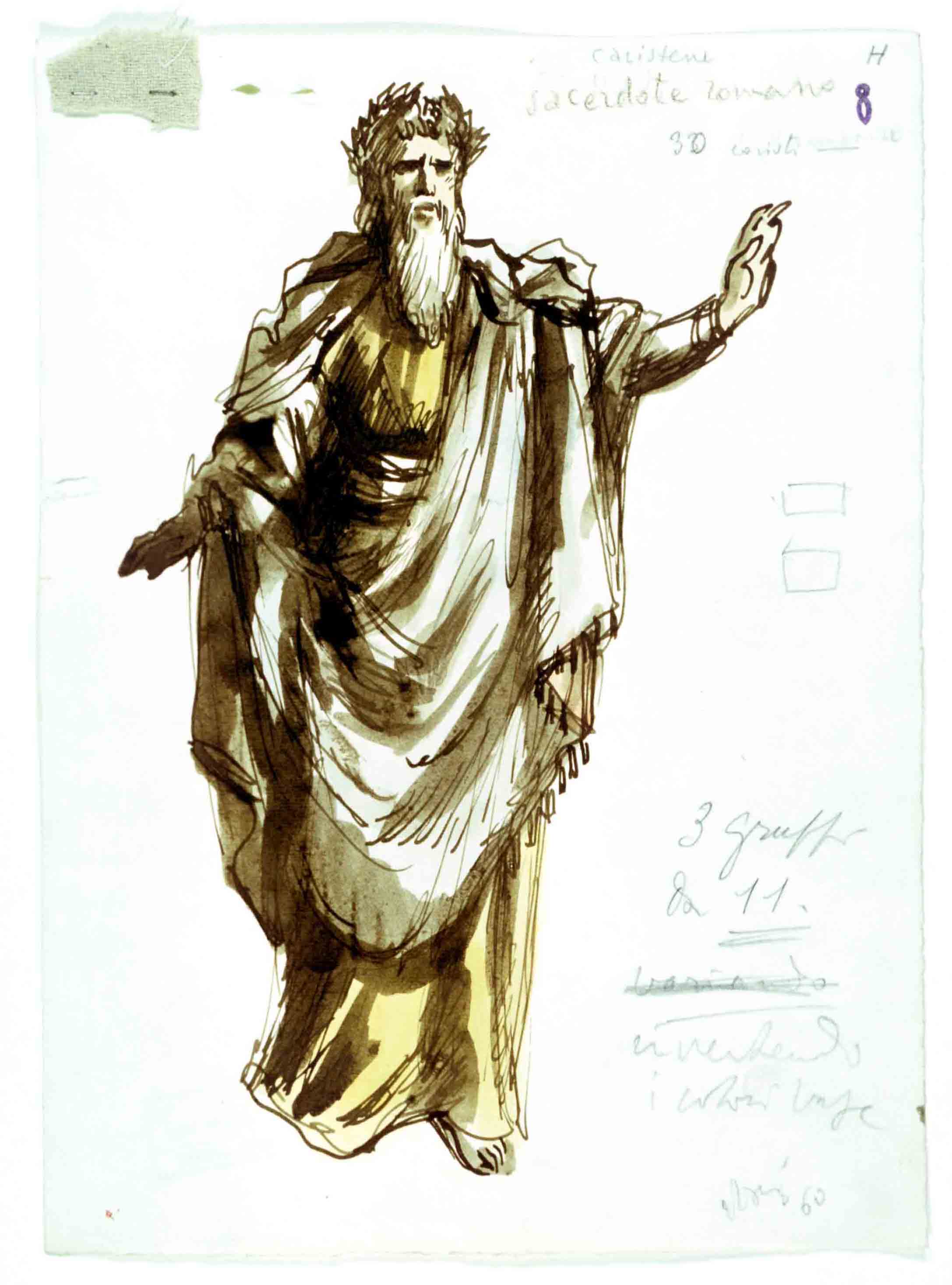
Visconti was asked to open the 1960–61 season with Donizetti’s Poliuto, to a libretto by Salvatore Cam- marano with Antonino Votto conducting, Maria Callas as Paolina, and Franco Corelli in the title role.Once again, the sets and costumes were designed by Nicola Benois. For this production too, Visconti drew upon the staging conventions of the period – Poliuto dates to 1838 – expressly channeling the slightly earlier scenic designs of Pietro Gonzaga. But on 16 November 1960, some three weeks before the pre- miere, Visconti – outraged by the recent censorship of his work, in particular his staging of Giovanni Testori’s L’Arialda, due to premiere in Rome at the Teatro Eliseo – withdrew from the production in protest. Poliuto opened on 7 December 1960, with Visconti’s staging, under the direction of Herbert Graf. Visconti would not work for La Scala again until 1964, when he staged Il trovatore for La Scala’s ambi- tious tour to Moscow; the production premiered at the Bolshoi Theatre on 10 September. Verdi’s opera, with a libretto by Salvatore Cammarano, had premiered in Rome in 1853 and was one of Visconti’s fa- vorites since childhood. Once again, Gavazzeni conducted and Benois was in charge of the sets and cos- tumes, the latter based on Piero della Francesca frescoes at Visconti’s suggestion. Visconti did not travel to Moscow with the production because he was busy with another Il trovatore at Covent Garden in Lon- don, which opened on 19 November. Of this latter Trovatore, conducted by Giulini with sets and costumes by Filippo Sanjust, rare television footage survives. The curtain rose on Visconti’s final production at La Scala on 15 December 1967: a guest performance of Goethe’s play Egmont, written between 1775 and 1787, accompanied by Beethoven’s incidental music composed in 1810. The tragedy had been produced by the Maggio Musicale Fiorentino festival in collaboration with the De Lullo-Falk-Valli-Albani Company and premiered at Pitti Palace in Florence on 6 June, with Gavazzeni conducting. The sets and costumes were by the young Ferdinando Scarfiotti, who would go on to work with Bernardo Bertolucci. Between the Florence and Milan performances of Egmont, Visconti staged Testori’s play La monaca di Monza; perhaps with this new collaboration in mind (after L’Arialda and Rocco e i suoi fratelli), Testori, a renowned art critic as well as a writer, gave Visconti a Maddalena by one of his favorite artists, the seventeenth-century Lombard painter Francesco Cairo. Whereas their artistic visions had converged during the staging of L’Arialda, Visconti and Testori were by now moving in different directions. The playwright distanced himself from the “grand manner” of Visconti’s work, aspiring instead to an almost ascetic reduction of expressive forms to the theatre’s entrails and the actor’s voice. Over the years the two would quarrel and make up, amid misunderstandings and illness, and after poor health forced Visconti to pull out “with great sorrow” from a production of Wagner’s Ring des Nibelungen at La Scala, which he had been asked to stage in 1972, death came in 1976 to settle their accounts once and for all. Two years later, it was at La Scala itself that Testori would publicly ask forgiveness for the way their relationship had ended, during the theatre’s first exhibition dedicated to Luchino Visconti.