VI. THE JAHRHUNDERTRING IN BAYREUTH, 1976-1980
In 1972, Wolfgang Wagner, brother of Wieland and grandson of Richard, had already invited Pierre Boulez to conduct the Ring at Bayreuth for the centenary of the first performance and to choose the stage director. In January 1974, following the refusals of Ingmar Bergman, Peter Brook and Peter Stein, Michel Guy recommended the inventor of the Festival d’Automne, Patrice Chéreau, to Boulez, who did not know him. Chéreau came from the world of painting, and his lightning career included very few examples of opera on its list, indeed the final tally would number only 14, against Visconti’s 23 and Ronconi’s 85. The first had been seen and appreciated by Visconti himself: an Italiana in Algeri by Rossini, with Thomas Schippers on the podium, at Spoleto in 1969, the same Festival famous for Ronconi’s Orlando Furioso.
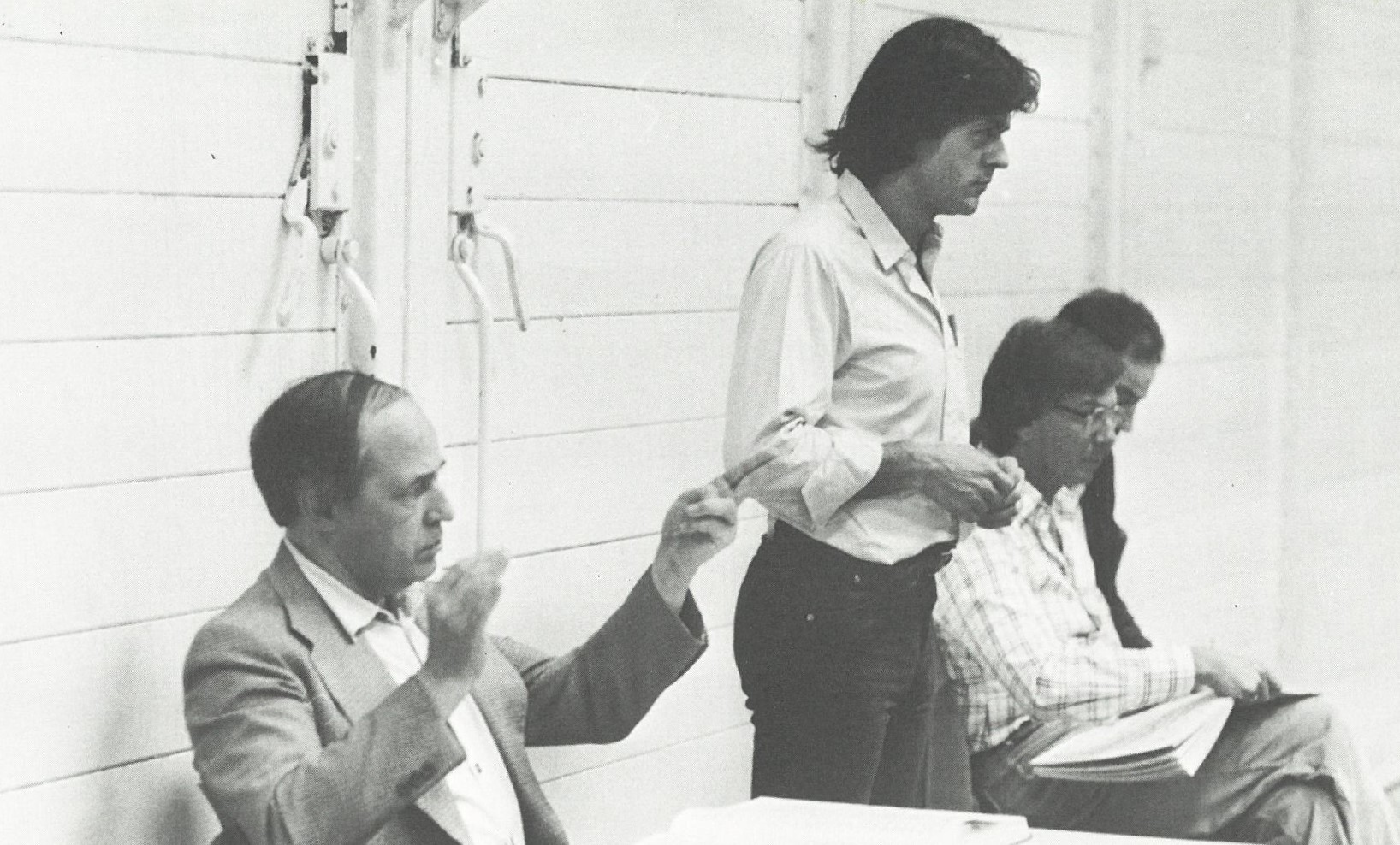
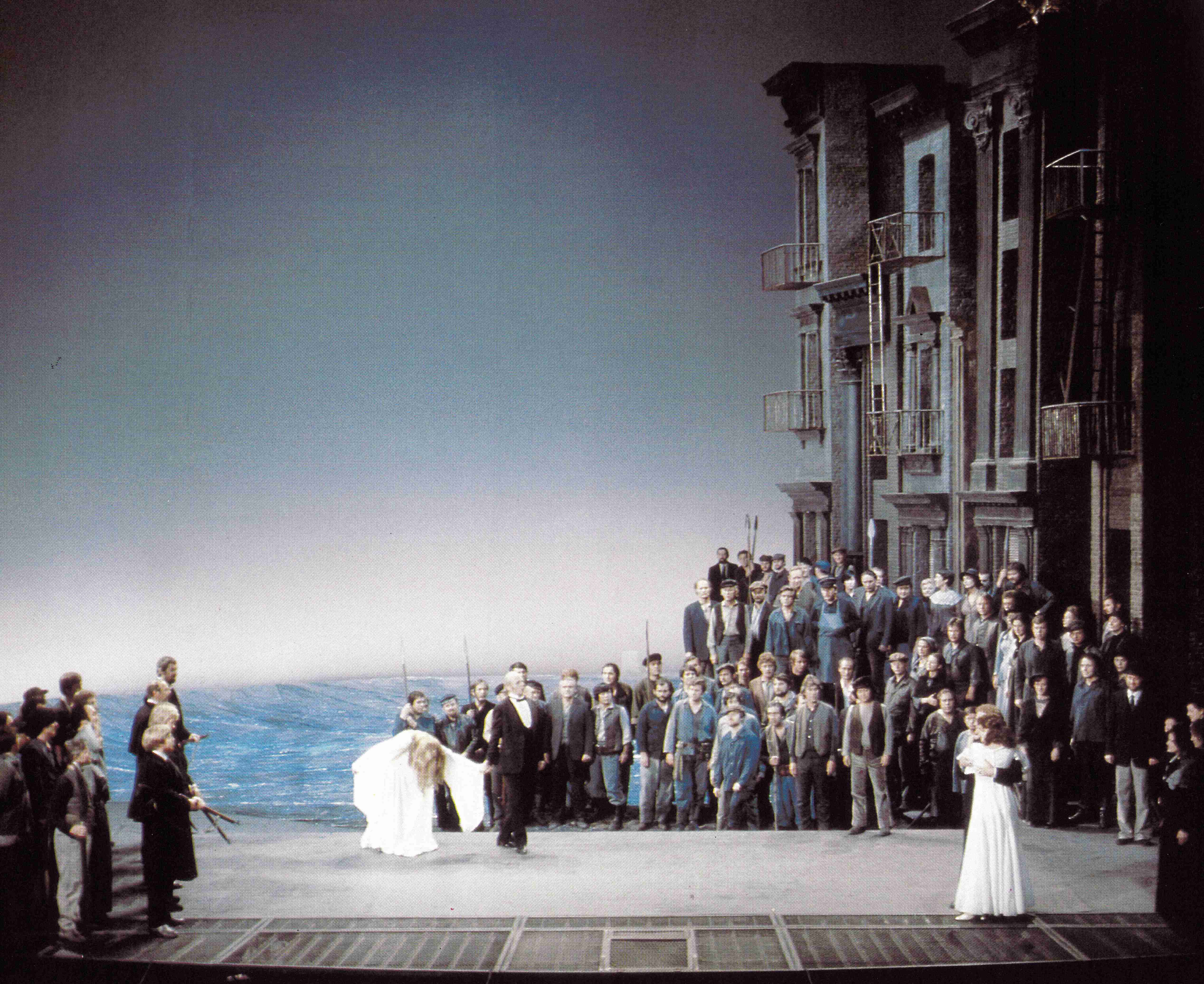
In preparing the 1976 Ring, Chéreau, with no knowledge of Wagner, had at his side Richard Peduzzi, a partnership that lasted from 1967 until Chéreau’s death. The artist had the task of preparing the sets, partly built in Rome by Carlo Maggi, while the costumes were designed, as usual, by Jacques Schmidt. The director always looked upon the singers as actors, but in this project, he ceased considering them as “supports for previously established images”. Together with them and in three months of rehearsals, he created a total of 15 hours of performance representing a coherent world in which each character, no matter how minor, takes on a new life and in which there is always some distant echo of his beloved Milan, starting with the frequent use of mist. Always at Chéreau’s side, was the highly cultured Boulez, twenty years his senior and a composer, while the support of Wolfgang Wagner never failed, even though the creation was so different from the usual productions at Bayreuth.
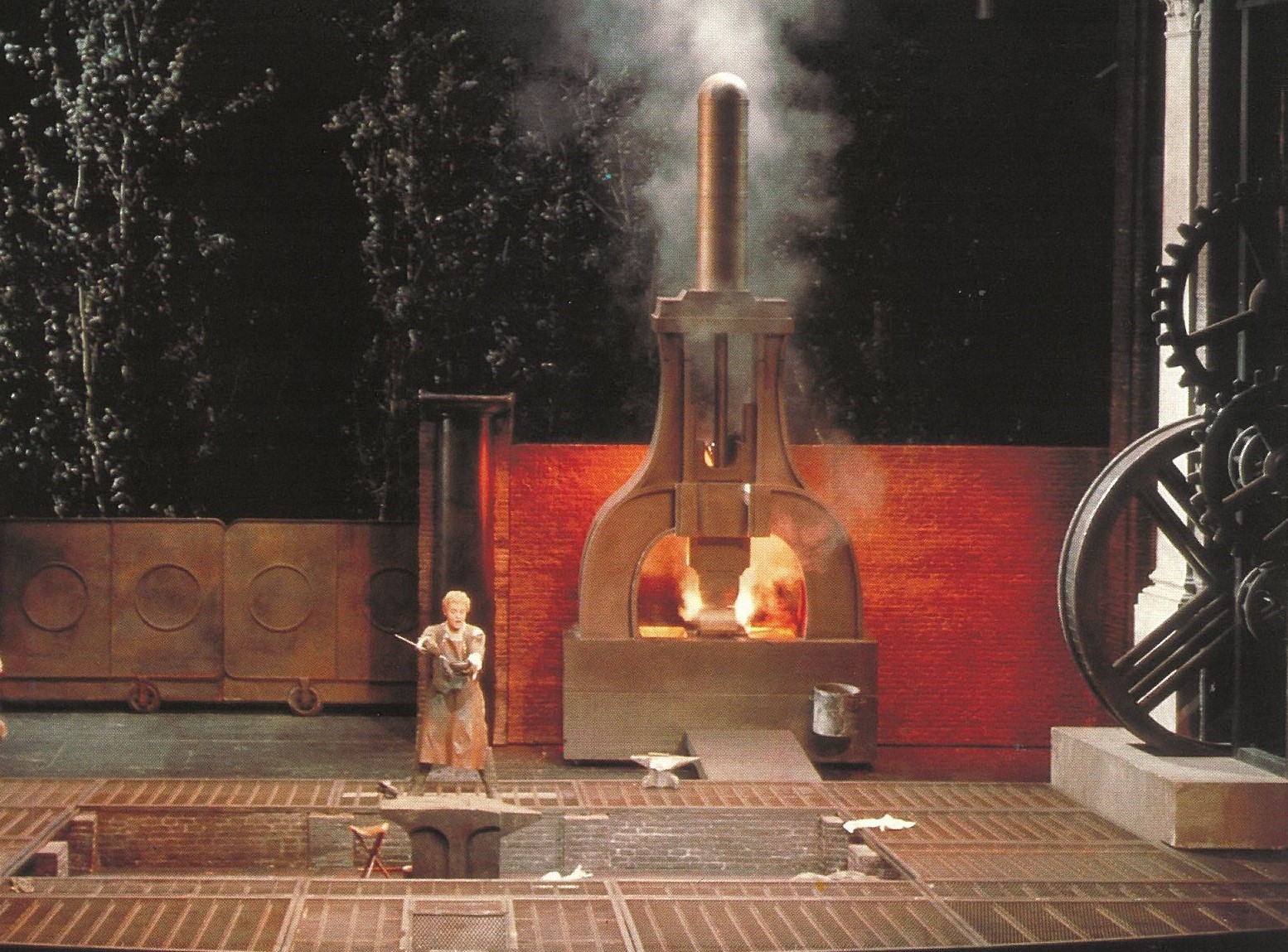
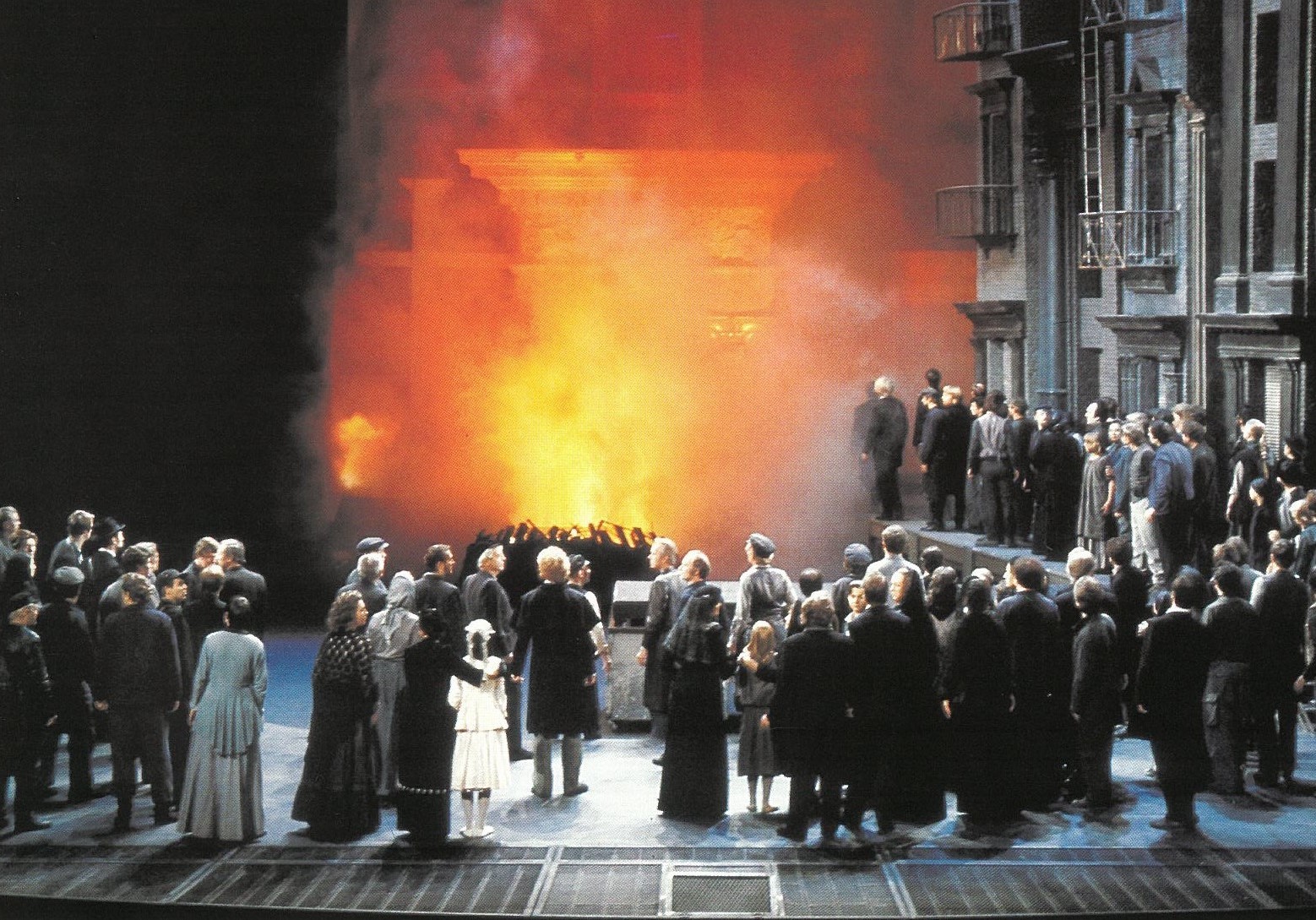
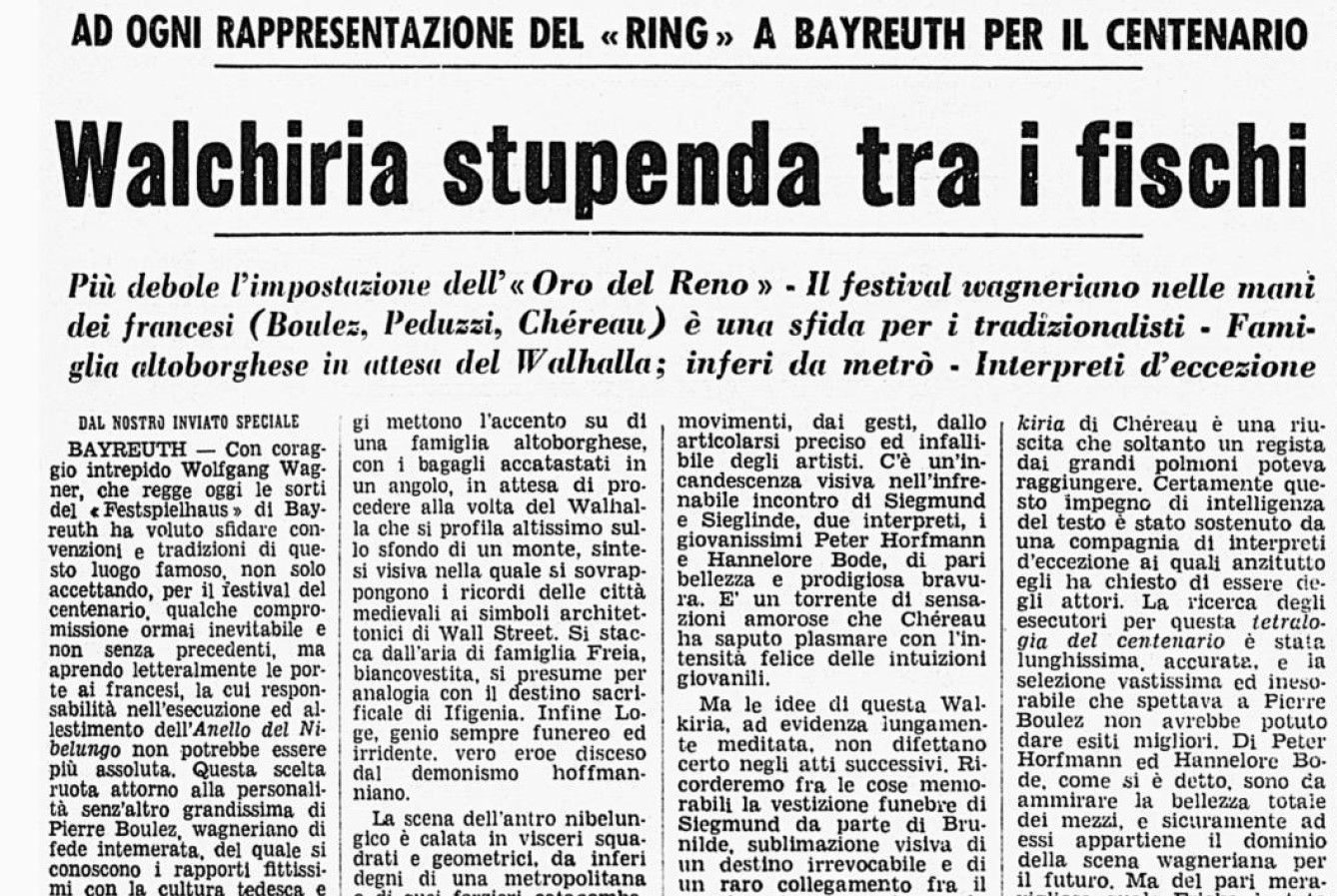
The very complex storylines of the Ring are recounted on the stage with impressive realism and immediacy. They are substantially faithful to Wagner’s libretto and score, while the enormous task of preparation, with its wealth of cultural, literary and visual stimuli – predictable in the references to Grimm, Nietzsche, Mann, Adorno, and surprising in the references to Dante, Poe, Verne, Dumézil, Genet, as well as to Dürer, Brueghel and the 18th-century English painters or 1900 New York and even the Visconti of The Leopard and Ludwig – does not emerge as heavy, but as a propellent. The radical renewal of the image, accompanied by the unparalleled work on the bodies of the cast members – from gestures to facial expressions – provoked violent reactions both in the public and among members of the orchestra at the first performances from 24 to 29 July 1976, even extending to death threats towards the director.
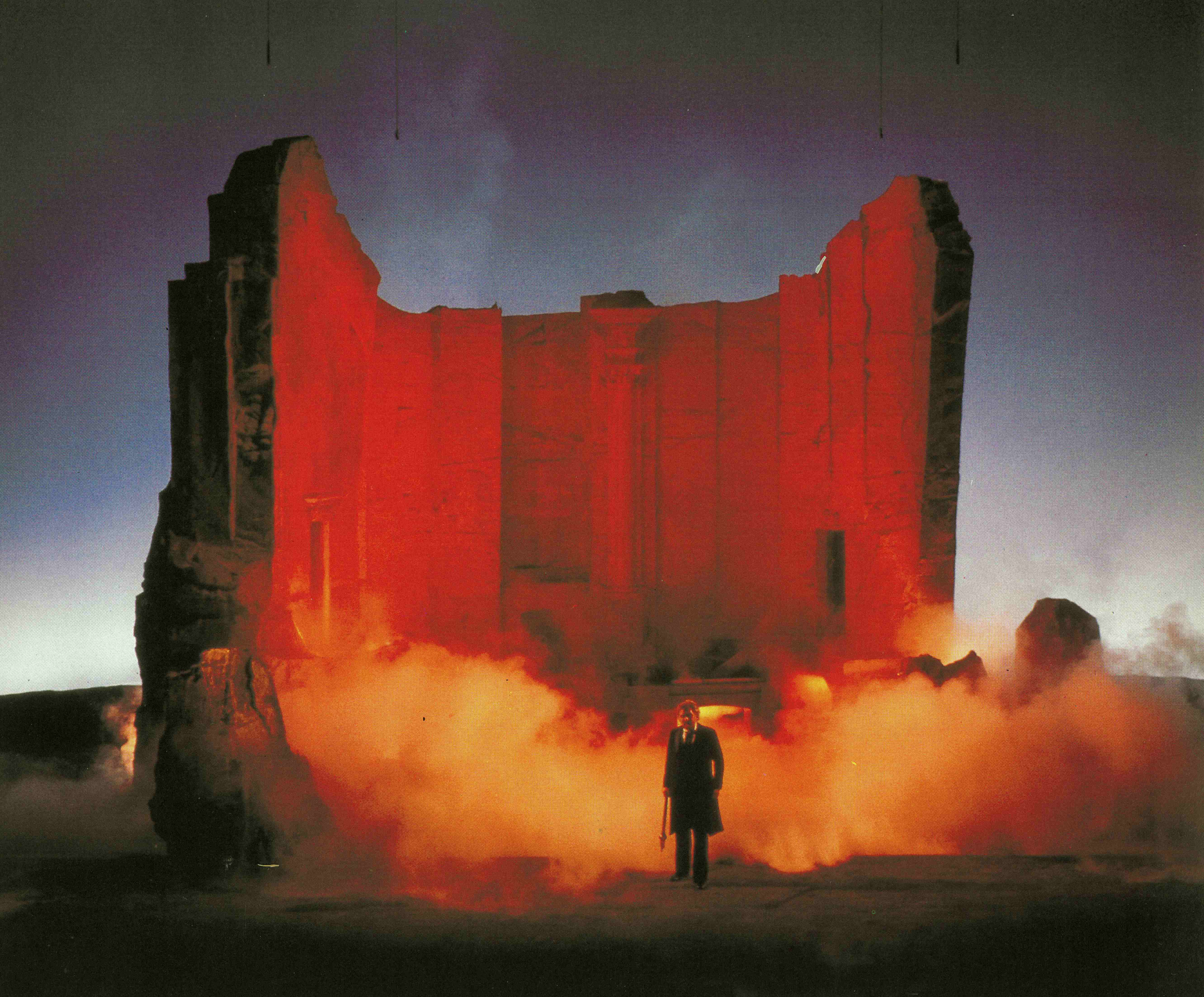
Chéreau’s Ring, featuring a rediscovery of Wagner’s Romantic roots, remained on the bill for five years, underwent constant maintenance, with some significant changes between the 1976 and subsequent productions. Some that stand out include the different representation of Valhalla and the elimination of real horses, the transformation of the rock upon which Brunhilde lies, which assumes the form of Arnold Böcklin’s Isle of the Dead, the cypresses of which appeared in La Scala’s 2007 production of Tristan und Isolde. Moreover, in the years in which the Jahrhundertring was being performed, Boulez, Chéreau and Peduzzi produced Berg’s Lulu at the Opéra in Paris (1979), including for the first time the third act. This production was brought to La Scala, while Ronconi’s Wozzeck, created for La Scala, was taken to Paris.
From year to year, the consensus surrounding the Bayreuth Ring grew, and not only among the intellectuals (from Barthes to Foucault), to the extent that at the final performance in 1980, the closing applause lasted 85 minutes with 101 curtain calls. Indeed, the production soon became a landmark episode in the cultural history of the second half of the 19th-century.