I. PRELUDE
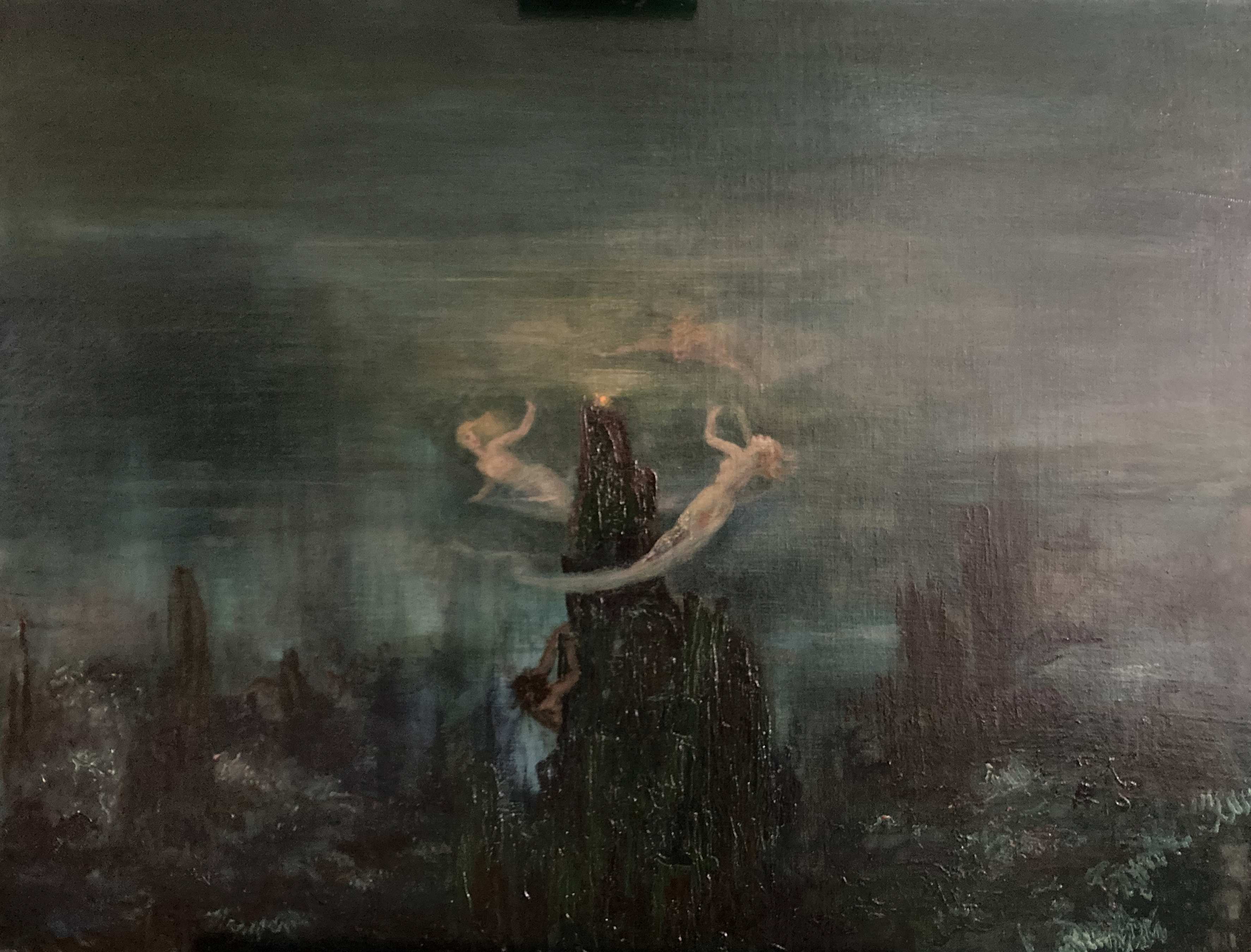
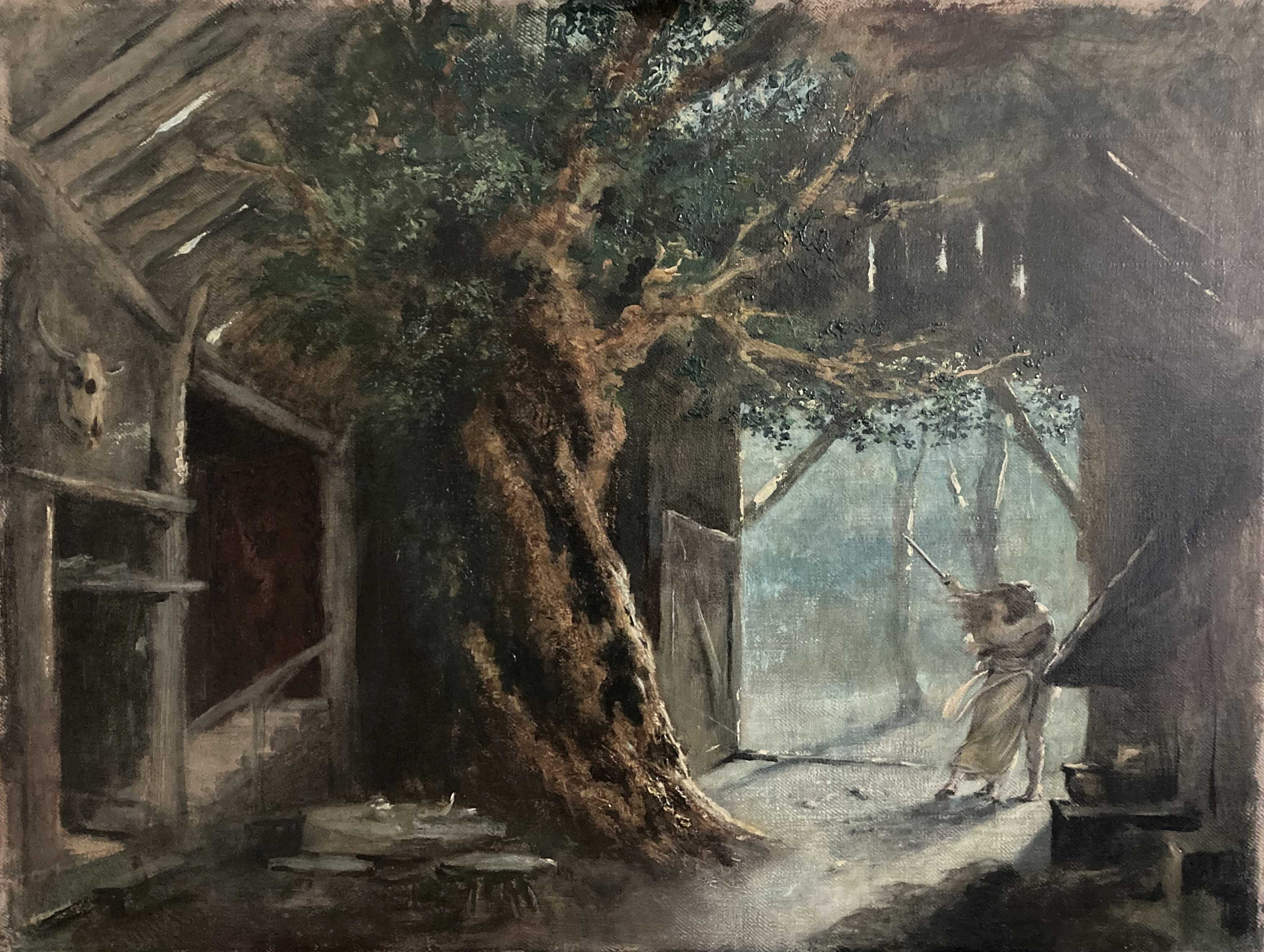
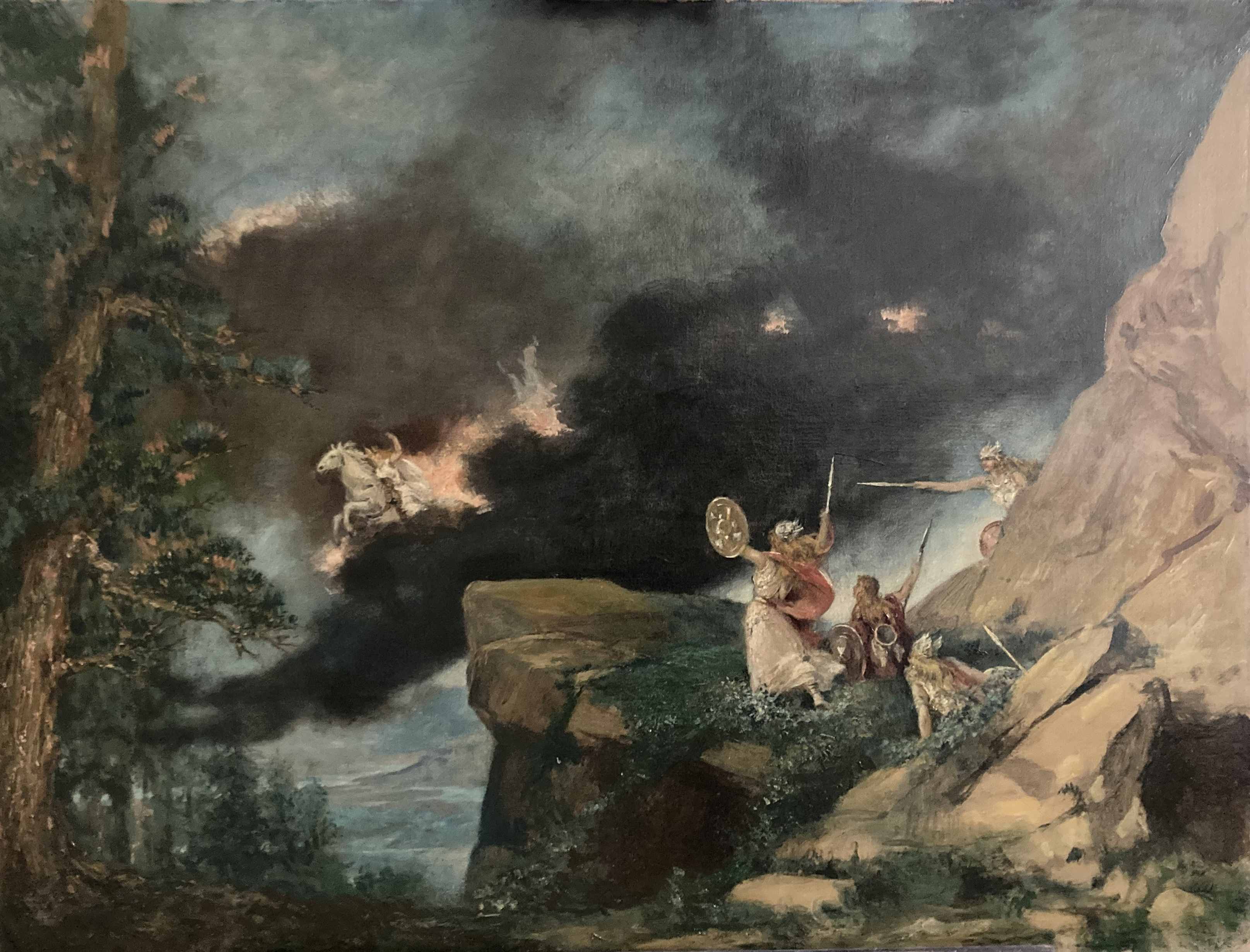
Only between 1925 and 1926, fifty years after its first performance at the Bayreuth Festspielhaus from 13 to 17 August 1876, was the Ring staged at La Scala in its entirety (sung in Italian and not in the correct sequence). Throughout the 20th century, as if oblivious to modernism, several productions of the complete cycle were staged in Milan, marked by figurative elements in line with the fantastic image of the Nibelungs: undines, dragons, serpents, winged helmets, horses, dwarves and giants…
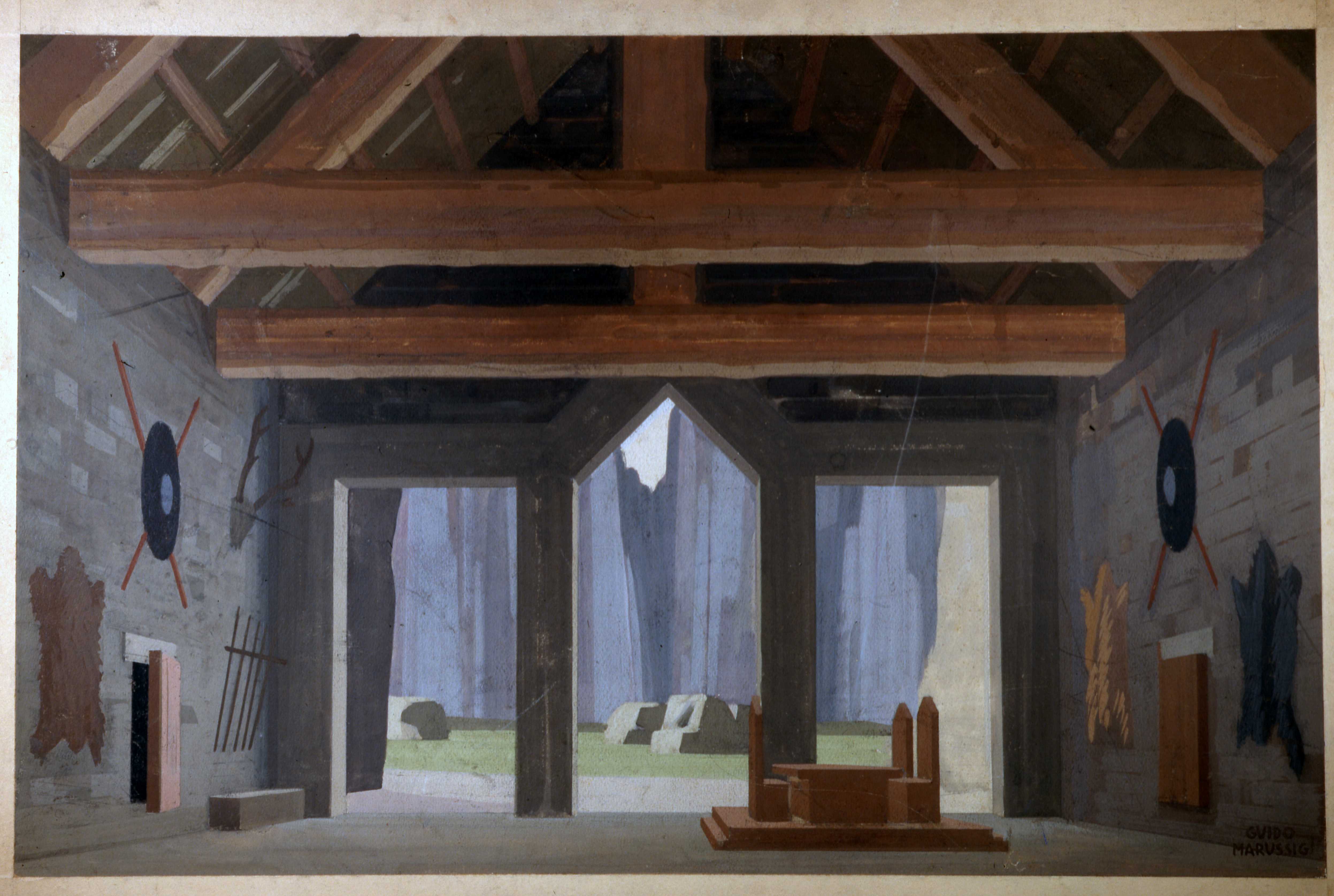
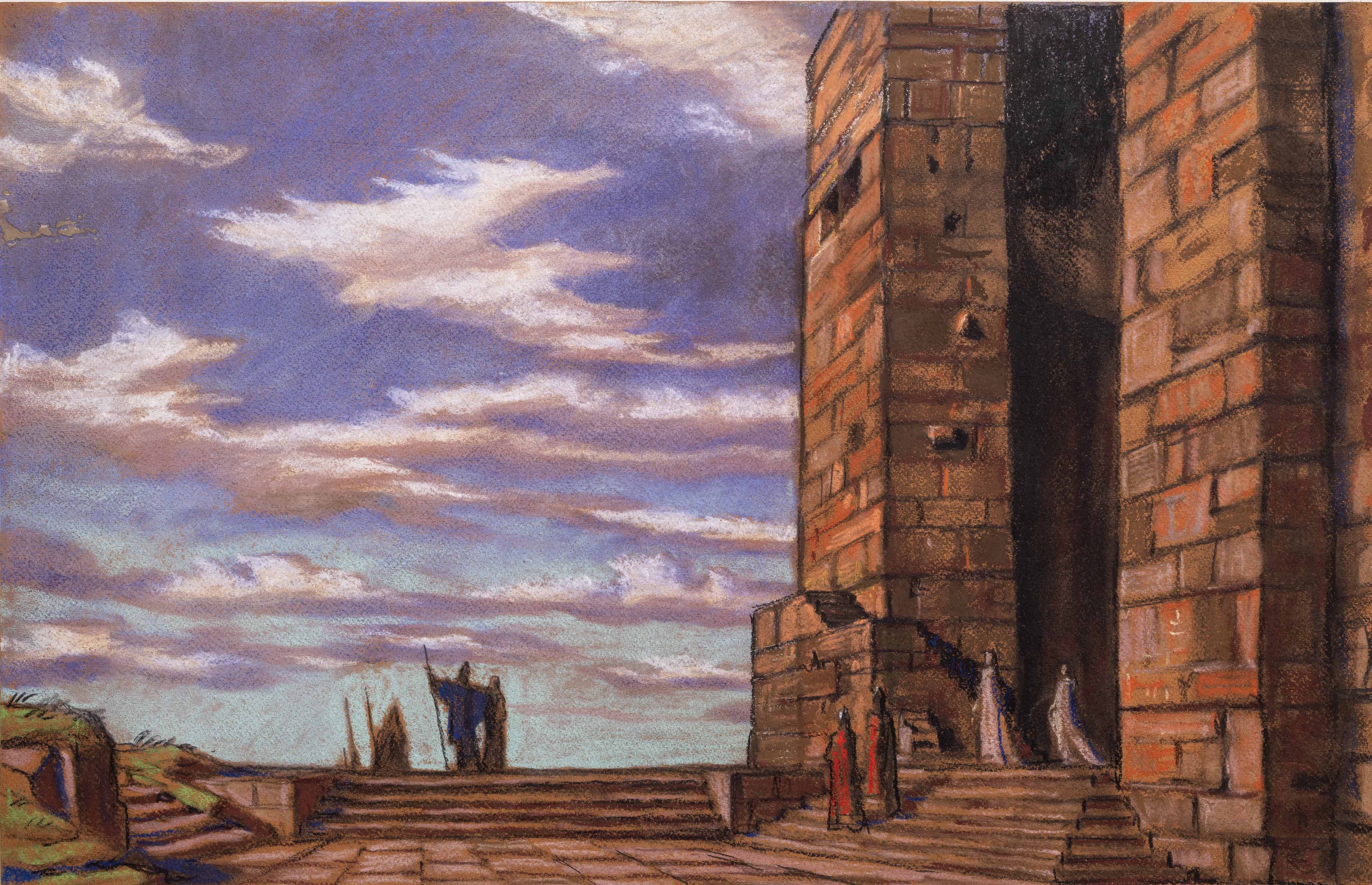
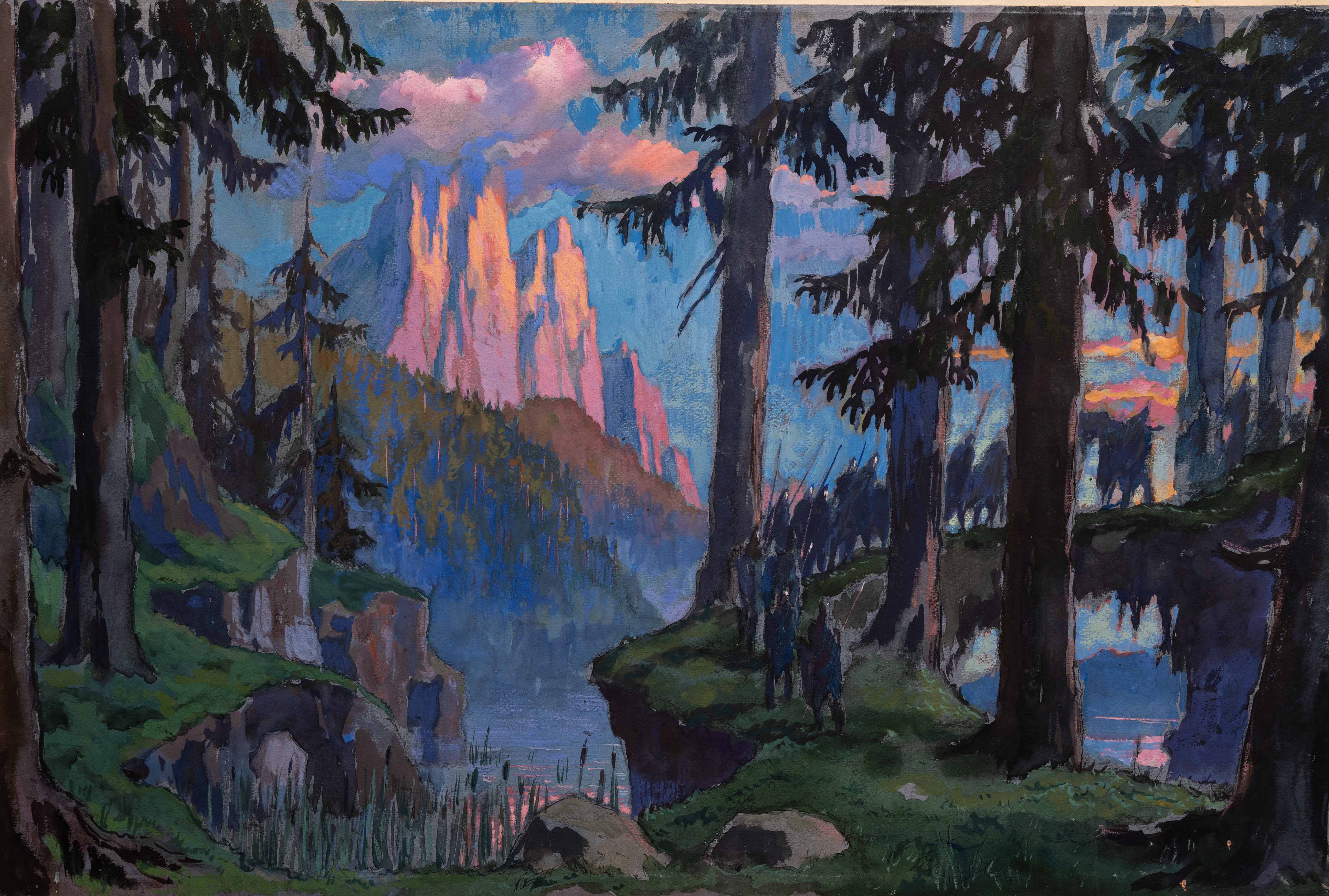
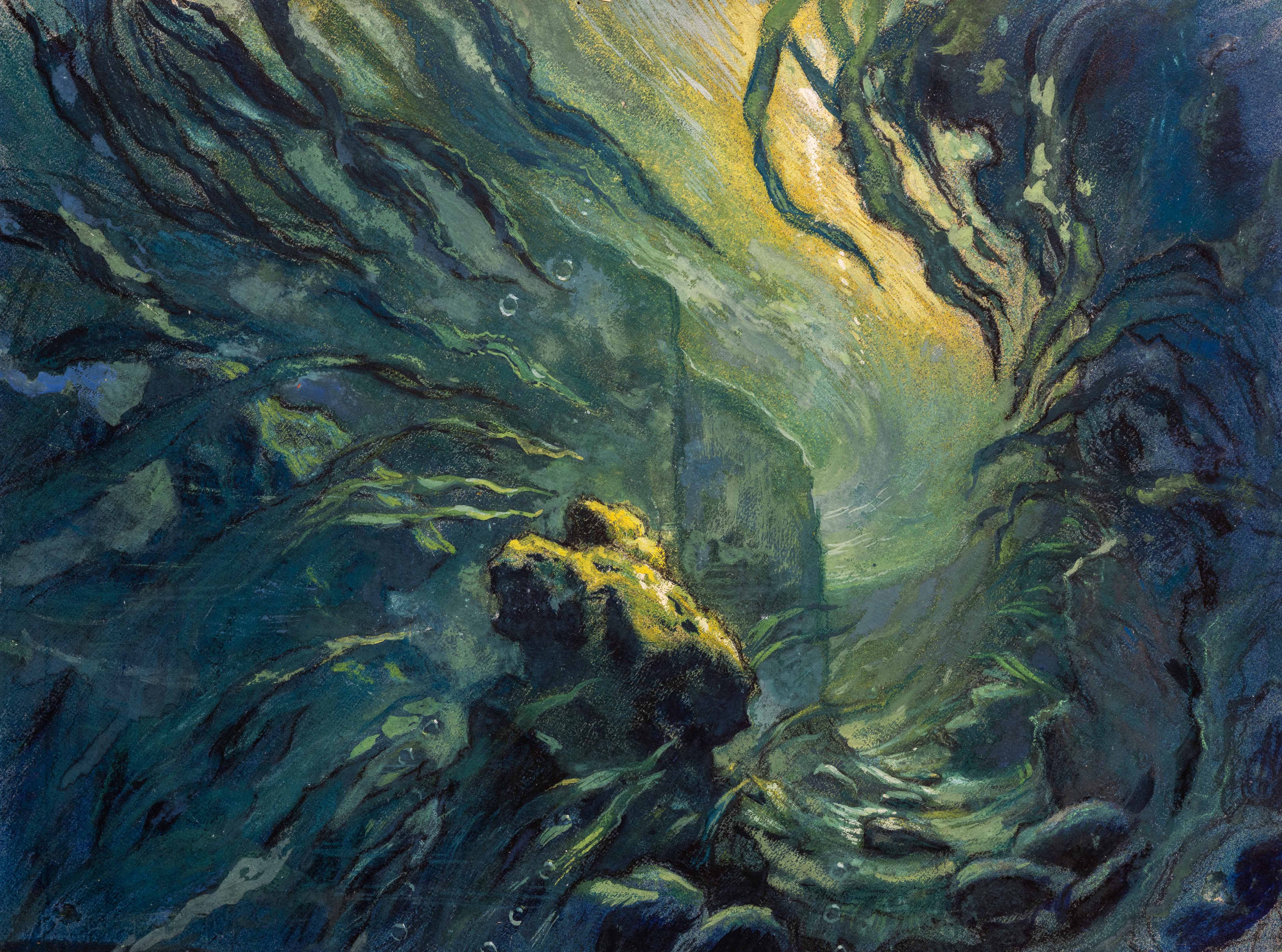
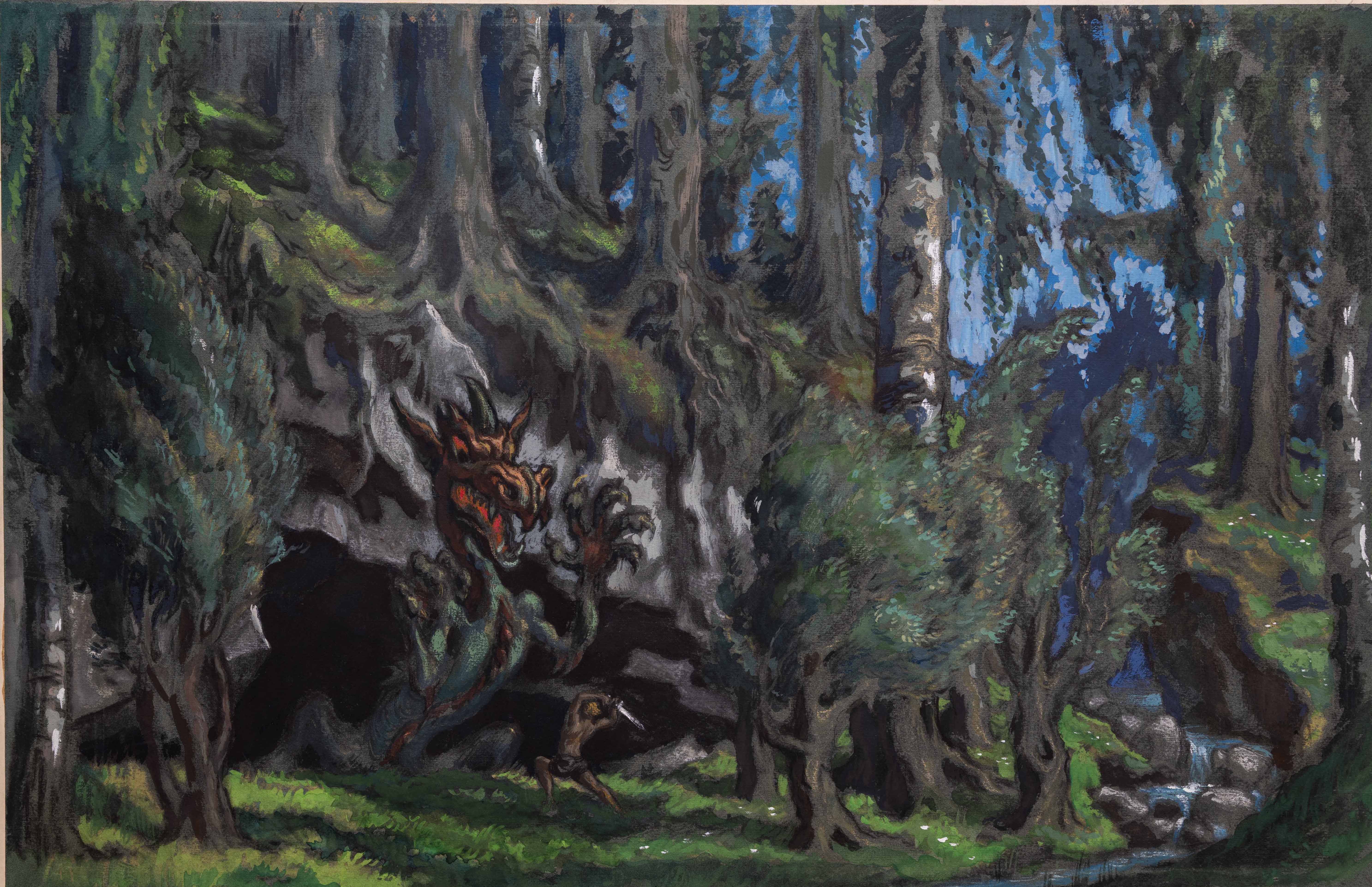
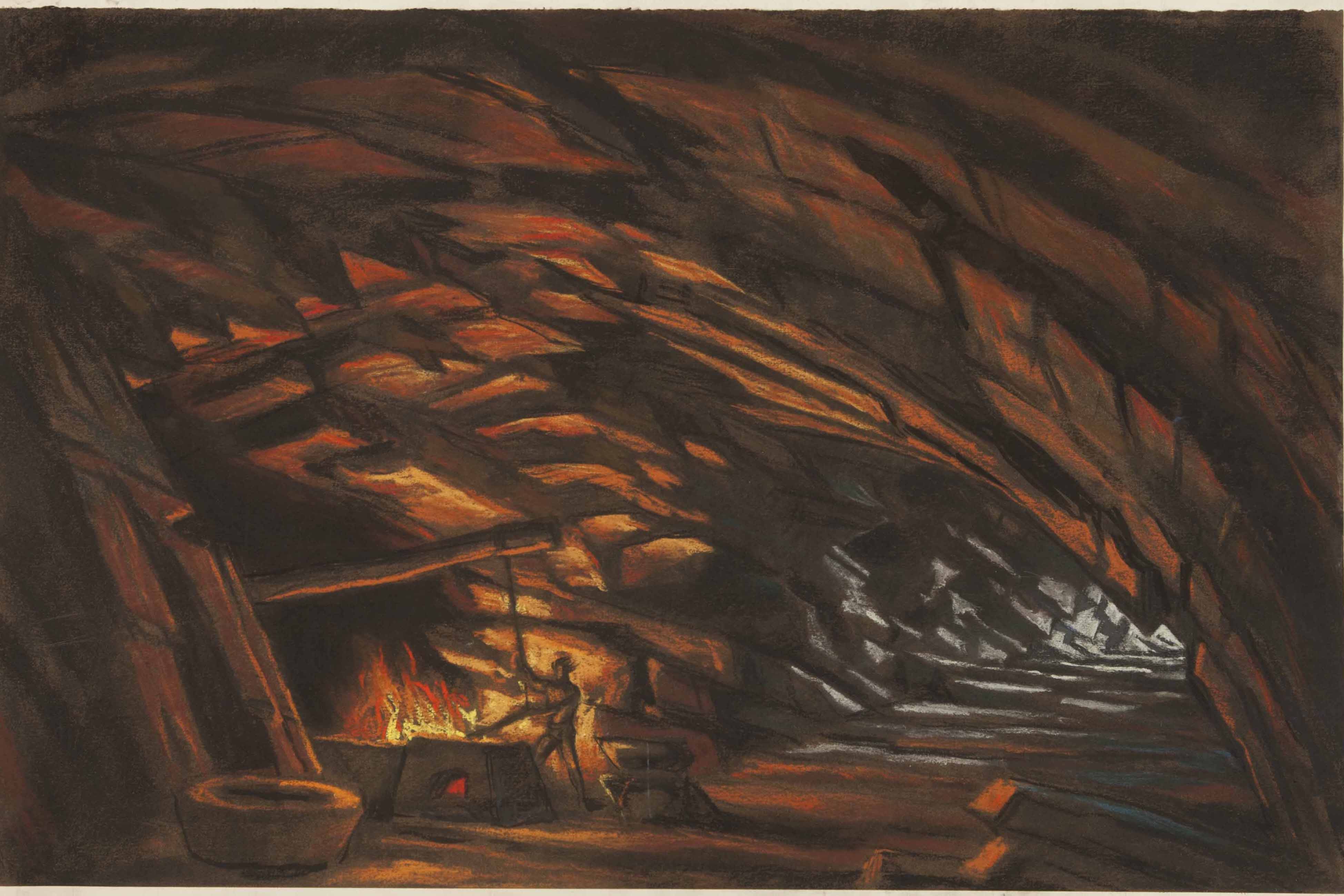
In this room, there are some surviving mementos of the Anello del Nibelungo performed in Italian in 1943, just a few months before the air raids that struck the theatre so devastatingly in the August of that year. The scenes and costumes of the prologue and the three days had been entrusted to various artists, while the director was Heinrich Karl Strohm and the conductor Franz von Hoesslin, who stood in for an indisposed Tullio Serafin. As elsewhere in Europe and Italy, and for at least a decade at the Maggio Musicale Fiorentino, well-known artists had been enlisted, including Felice Casorati for La Walkiria, Cipriano Efisio Oppo for Sigfrido and Guido Marussig for Il crepuscolo degli dei, while L’oro del Reno was left to Nicola Benois, who was the stage director at the theatre from 1937 to 1971.
For the 1950 German-language version of the Ring, the world’s first after the Second World War, with Wilhelm Furtwängler as conductor and Otto Erhardt as director, La Scala called on Mariano Fortuny, who was almost at the end of his long and faithful Wagnerian career. However, with the Spanish artist’s death, the performances were staged with sketches and croquis by Benois, even though Die Walküre had been prepared the previous year. He also prepared the scenes and costumes for La Scala’s 1963 production of the Ring to mark the one hundred and fiftieth anniversary of Wagner’s birth: on this occasion, the conductor was André Cluytens and the director Heinz Tietjen, who had worked for many of the interwar years at Bayreuth.
Meanwhile, La Scala did not adopt the Ring’s more abstract and austere productions. These depended particularly on the lighting and were inherited from the revolutionary interpretation of Adolphe Appia, already established at the end of the 19th century and passed on, after the Second World War, to the de-Nazified stage at Bayreuth, particularly thanks to Wieland Wagner, the composer’s grandson, whom Cluytens would have liked to have invited as the director of the Ring in Milan in 1963.